
Navigating the new trade reality: A Fortune 500 CEO's guide to strategic decision-making under Trump's tariff regime (2025-2029)
How America's largest companies adapted their leadership playbooks when trade policy uncertainty became the new business reality.
 CEO.com
9 min read
CEO.com
9 min read
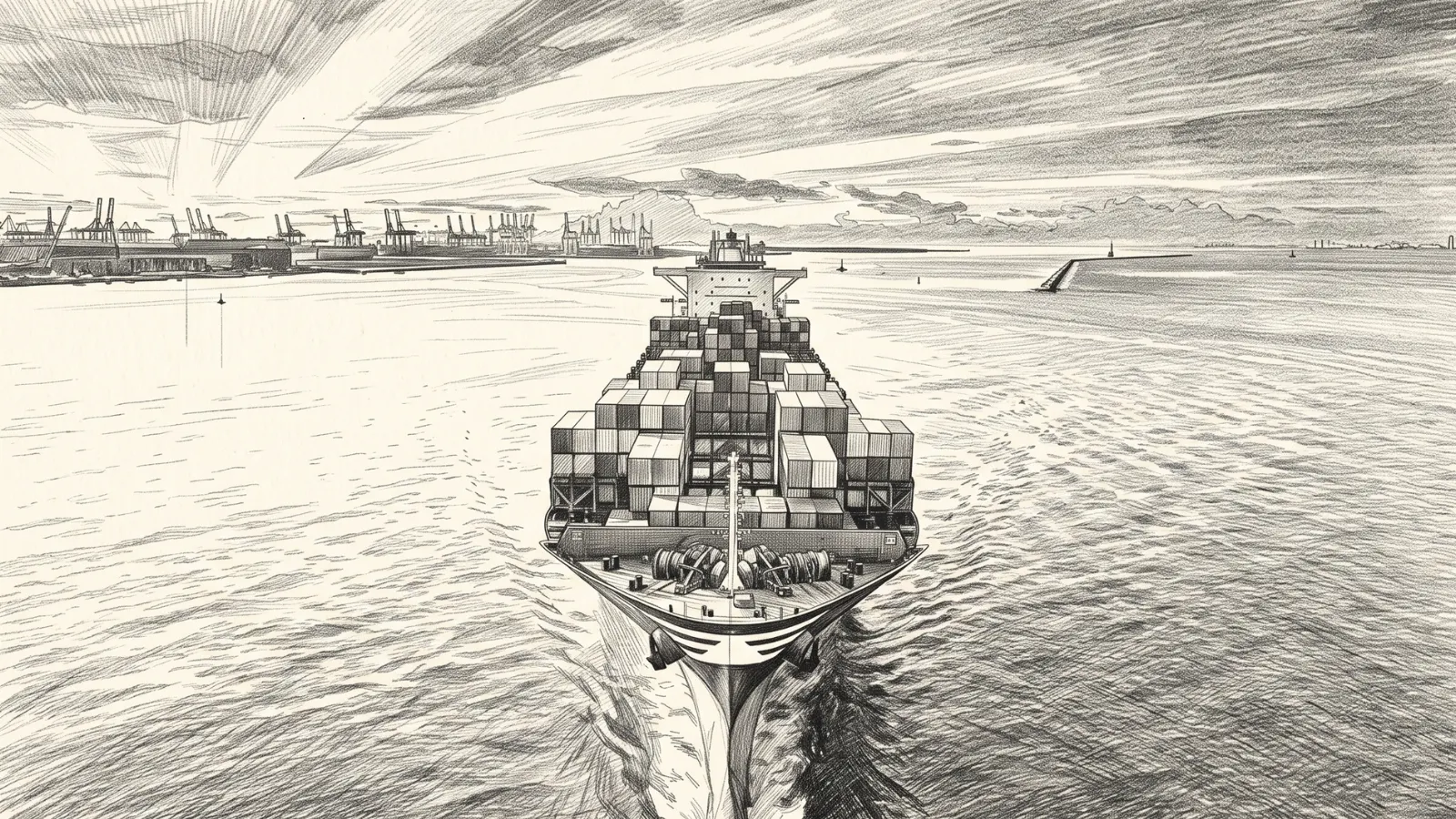
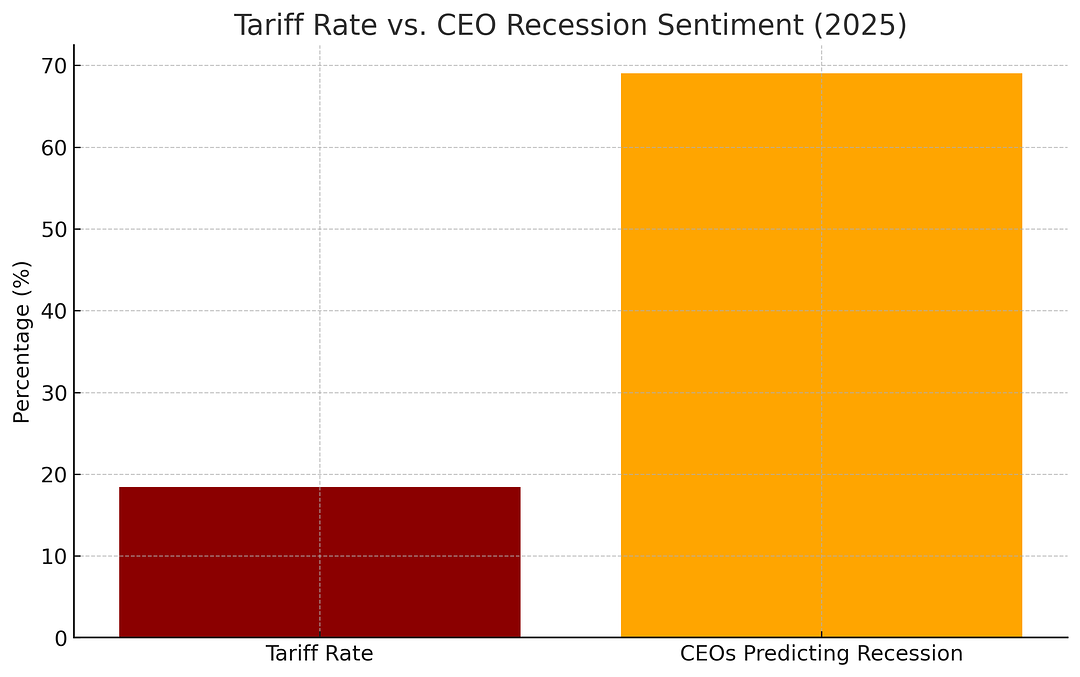
In the summer of 2025, as tariff rates reached 18.4%—the highest since 1933, Fortune 500 CEOs found themselves confronting a fundamental question: How do you lead a global enterprise when the rules of international commerce change almost daily?
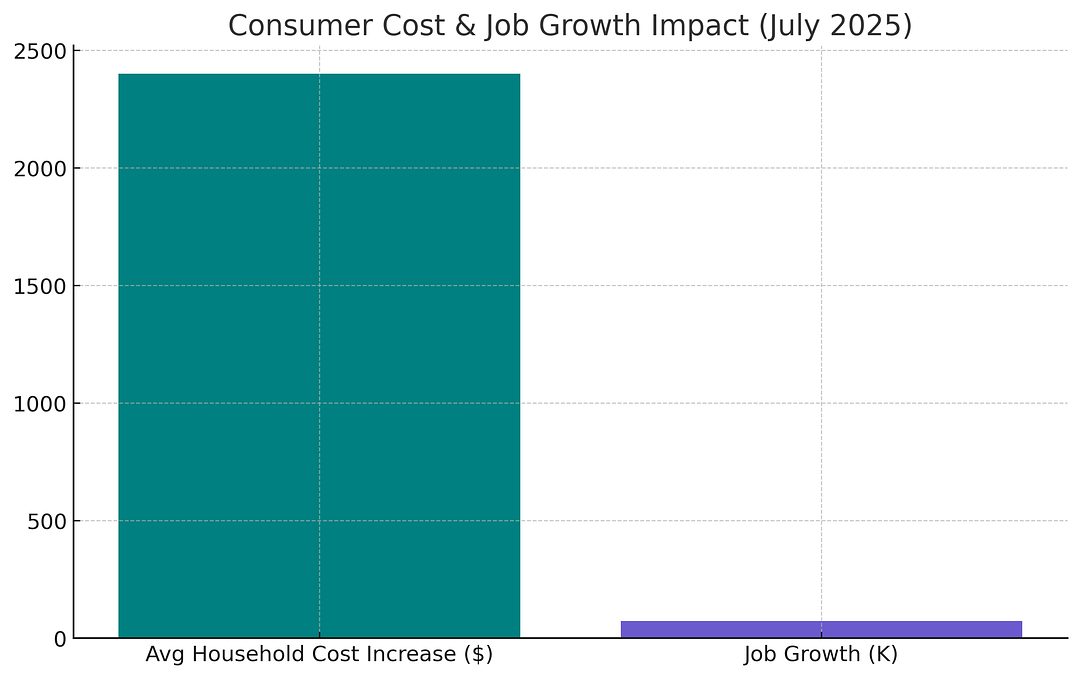
The answer, according to our analysis of executive responses during the "tariff paralysis" period of July 2025, reveals a new paradigm in crisis leadership. When job growth stalled to just 73,000 positions and 69% of CEOs predicted a recession, the most successful leaders didn't simply react to policy changes — they reimagined their entire approach to strategic planning under uncertainty.
The Anatomy of Policy-Driven Crisis
The scale of Trump's second-term trade policy caught even seasoned executives off guard. By April 2025, the administration had implemented universal tariffs affecting 69 trading partners, creating what JPMorgan economists called "the largest tax increase since the Revenue Act of 1968."
Unlike traditional economic downturns driven by market cycles, this disruption was entirely policy-created. The S&P 500 declined 10% in just two days following the April "Liberation Day" tariff announcement, while markets experienced a $10 trillion swing as investors struggled to price the new reality.
The Leadership Challenge: How do you maintain organizational stability and strategic direction when external policy changes can render business models obsolete overnight?
The Executive Reality: 84% of business leaders expressed concern about the political and legal climate's impact on their companies, while 45% anticipated pulling back on capital investment due to policy uncertainty.
The Paralysis Period: July 2025
July 2025 emerged as the defining moment for executive leadership under the new trade regime. As tariffs represented 5% of federal revenue compared to 2% historically, companies faced what business analysts termed "strategic paralysis" — the inability to make long-term decisions amid rapidly changing policy conditions.
Immediate Market Impact:
The numbers tell the story of organizational stress: consumers faced an average annual cost increase of $2,400 per household, while businesses grappled with supply chain disruptions affecting everything from automotive manufacturing to consumer goods. Ford CEO Jim Farley warned that tariffs would "blow a hole in the US industry that we have never seen," while Target CEO Brian Cornell joined other Fortune 500 executives in warning of inevitable price increases.
The Communication Crisis:
Perhaps most challenging for CEOs was managing stakeholder communication during unprecedented uncertainty. Corporate America's initial reaction was notably muted, with many executives relying on trade associations rather than direct commentary. This silence created a leadership vacuum that the most effective CEOs quickly recognized and addressed.
Strategic Response Frameworks: Lessons from the Front Lines
Our analysis of Fortune 500 responses during the tariff crisis reveals five distinct strategic approaches that separated successful crisis leadership from organizational drift.
Framework 1: Adaptive Supply Chain Architecture
The most successful CEOs recognized that traditional "lean" supply chain models — optimized for efficiency over resilience — were fundamentally incompatible with the new trade reality. Companies with diversified supply chains recovered from global shocks 2.5 times faster than those relying on concentrated sources.
Implementation Strategy:
- Geographic Diversification: CEOs accelerated nearshoring initiatives, with Mexico becoming a key manufacturing hub despite its own tariff exposure
- Supplier Rationalization: Companies reduced supplier concentration while building redundancy into critical supply paths
- Contract Restructuring: Executives renegotiated supplier agreements to include tariff adjustment mechanisms
CEO Insight: "We had to shift from optimizing for the lowest cost to optimizing for the most reliable cost," explained one manufacturing CEO. "That meant accepting higher base costs in exchange for predictable pricing."
Framework 2: Dynamic Pricing and Cost Management
With 82% of CEOs expecting price increases ranging from 5% to 20%, successful executives developed sophisticated pricing strategies that balanced margin protection with market competitiveness.
Cost Pass-Through Strategy:
CEOs who successfully managed margin pressure during the crisis employed what industry analysts termed "graduated pass-through" — implementing price increases in stages while absorbing initial tariff impacts to maintain customer relationships.
Supplier Negotiation:
The most effective leaders recognized that tariff costs would be shared across the value chain. Rather than simply accepting supplier price increases, they restructured partnerships to distribute the tariff burden based on each party's ability to absorb costs.
Framework 3: Stakeholder Communication Excellence
The CEOs who maintained stakeholder confidence during the crisis demonstrated mastery of what crisis communication experts call "transparent uncertainty" — acknowledging what they didn't know while clearly articulating their strategic responses.
Customer Communication:
Rather than waiting for quarterly earnings calls, successful CEOs proactively communicated with customers about potential price impacts, often providing advance notice and alternative options.
Employee Engagement:
Despite 40% of executives scaling back hiring plans, the most effective leaders avoided knee-jerk workforce reductions, instead focusing on retraining and strategic redeployment.
Investor Relations:
Top-performing CEOs established regular policy impact briefings with investors, providing scenario planning that helped markets price their stocks more accurately.
Technology as Strategic Enabler
The tariff crisis accelerated enterprise adoption of predictive analytics and scenario planning technologies. CEOs who had invested in AI-driven supply chain optimization demonstrated superior crisis response capabilities.
Predictive Policy Modeling:
Leading companies developed AI systems capable of modeling tariff impact scenarios in real-time. These systems enabled executives to run "what-if" analyses on potential policy changes, providing strategic options before policy announcements rather than reactive responses afterward.
Supply Chain Intelligence:
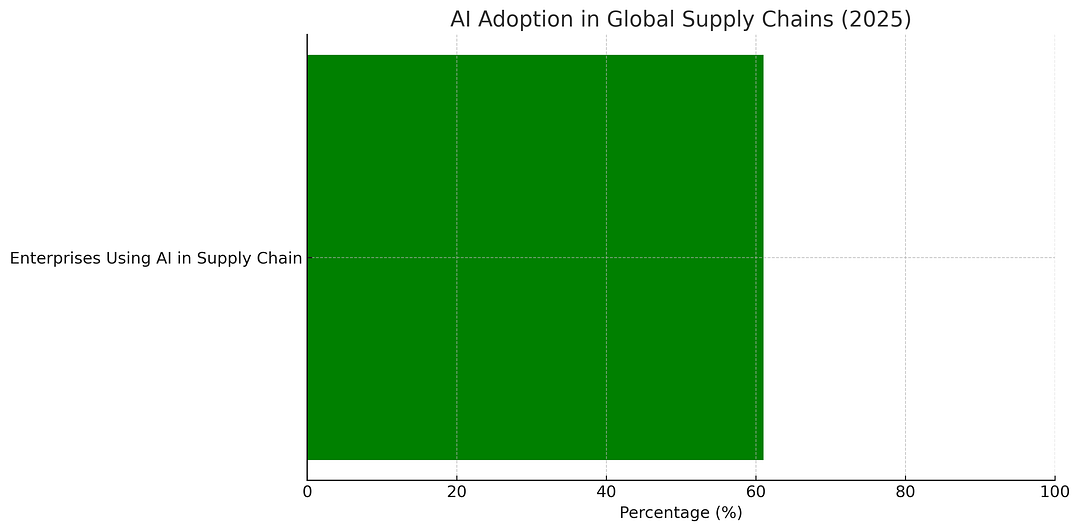
61% of global enterprises now use AI to optimize procurement and supply chain workflows, with the most sophisticated systems providing real-time visibility into tariff exposure across entire supply networks.
Government Relations as Core Business Strategy
The tariff crisis elevated government relations from a peripheral function to a core business capability. Research from Duke University's Fuqua School of Business suggests that companies increasing lobbying efforts during periods of policy uncertainty gained measurable market advantages.
Strategic Policy Engagement:
Instead of just opposing tariffs, the most effective CEOs participated in constructive policy dialogue, suggesting alternative approaches that addressed administration concerns while reducing business disruption.
Industry Coalition Building:
Successful executives recognized that individual company lobbying had limited impact compared to coordinated industry positions. They invested in building coalitions that could present unified policy alternatives.
Risk Management in the New Normal
The tariff crisis taught CEOs that traditional risk management frameworks—designed for cyclical market risks — were inadequate for policy-driven disruption. The most successful leaders developed what risk experts term "adaptive risk architecture."
Scenario-Based Planning:
Rather than depending on single-point forecasts, effective CEOs adopted multi-scenario planning that prepared organizations for different policy outcomes. This method allowed for quick strategic adjustments as conditions evolved.
Financial Hedging Strategies:
Some CEOs adopted currency and commodity hedging strategies to counteract tariff effects, though their success varied greatly depending on industry and exposure profile.
Measuring Success During Crisis
Traditional business metrics proved insufficient for assessing CEO performance during policy-driven crises. The most effective leaders developed new measurement frameworks that evaluated organizational resilience alongside financial outcomes.
Resilience Metrics:
- Supply Chain Stability: Time to recover from disruptions, supplier diversification indices
- Financial Flexibility: Cash flow variability, margin stability under tariff pressure
- Organizational Adaptability: Speed of strategic pivots, employee retention during uncertainty
- Stakeholder Confidence: Customer retention rates, investor sentiment stability
The Future Playbook: Preparing for Sustained Uncertainty
As the tariff regime enters its second year, the most insightful CEOs recognize that policy-driven uncertainty is not a temporary crisis to endure but a permanent feature of the business environment to master.
Building Adaptive Organizations:
Successful crisis leadership shows that organizational adaptability — not efficiency optimization — has become the main competitive advantage. CEOs are reorganizing their companies based on principles of flexibility and quick response.
Continuous Scenario Planning:
The most effective leaders have institutionalized scenario planning as a core management process, with regular policy impact assessments informing strategic decisions at every level.
Stakeholder Relationship Investment:
The crisis showed that strong stakeholder relationships — with customers, suppliers, employees, and investors — offer vital stability during external uncertainty. Leading CEOs see relationship investment as a strategic part of infrastructure.
Implications for CEO Decision-Making
The 2025 tariff crisis offers enduring lessons for executive leadership in an era of policy-driven business disruption:
Critical Success Factors:
- Establish crisis management as a CEO-led initiative rather than delegating to functional teams
- Balance operational efficiency with strategic resilience in all business model decisions
- Maintain transparent stakeholder communication during periods of uncertainty
- Invest in predictive technologies that enable proactive rather than reactive responses
Risk Management Principles:
- Structure business models as portfolios capable of adapting to multiple policy scenarios
- Maintain operational excellence while building organizational flexibility
- Develop clear metrics for evaluating performance during uncertain conditions
The New Leadership Imperative
As Fortune 500 CEOs navigate the ongoing challenges of the Trump tariff regime, the crisis has fundamentally redefined executive leadership requirements. Success now depends on mastering what business strategists call "uncertainty advantage" — the ability to create competitive opportunity from environmental instability.
The CEOs who emerged strongest from the 2025 tariff crisis demonstrated that effective leadership during policy-driven disruption requires a fundamental shift from traditional command-and-control management to adaptive, scenario-based leadership. They showed that in an environment where external policy changes can instantly reshape competitive landscapes, organizational agility and stakeholder relationship strength matter more than operational efficiency metrics.
For CEOs facing similar challenges in the years ahead, the tariff crisis provides a crucial insight: the companies that thrive under sustained policy uncertainty will be those led by executives who can transform external disruption into strategic advantage through superior crisis leadership, adaptive organizational design, and stakeholder relationship excellence.
The question for enterprise leaders is not whether policy-driven uncertainty will continue, but whether they can build organizations capable of turning that uncertainty into competitive advantage.
About This Case Study
"Navigating the New Trade Reality" was created as part of CEO.com’s ongoing research project studying how America's largest companies adjust their leadership strategies during unprecedented policy-driven disruption. This case study compiles data from federal policy documents, economic impact analyses from top business schools (Yale's Budget Lab, Wharton's Budget Model, Duke University's Fuqua School), CEO surveys from CNBC and major consulting firms, and real-time business media coverage to give Fortune 500 CEOs practical frameworks based on documented responses during the 2025 tariff crisis.
Unlike cyclical economic downturns, the tariff regime caused a "policy-driven crisis” that demanded entirely new approaches to executive decision-making, making this period a unique learning lab for crisis leadership.
The analysis uses Harvard Business School's case study methodology adapted for executive audiences, emphasizing situational analysis, strategic response evaluation, and framework development based on measurable outcomes from Fortune 500 companies during the January-August 2025 crisis period.
All quantitative data points are linked to original sources, including White House documentation, Treasury Department tariff schedules, statistically significant CEO surveys, and verified corporate communications, enabling readers to independently verify claims and access underlying research.
This case study was developed independently without corporate sponsorship, relying solely on publicly available materials to provide objective, actionable intelligence for Fortune 500 CEOs navigating policy-driven uncertainty at the enterprise level.
Sources
- https://www.reuters.com/world/india/trump-imposes-extra-25-tariff-indian-goods-ties-hit-new-low-2025-08-06/
- https://www.tradecomplianceresourcehub.com/2025/08/06/trump-2-0-tariff-tracker/
- https://www.gov.ca.gov/2025/07/30/trump-tariff-policy-continues-to-cause-chaos-in-american-economy/
- https://www.jpmorgan.com/insights/global-research/current-events/us-tariffs
- https://budgetmodel.wharton.upenn.edu/issues/2025/4/10/economic-effects-of-president-trumps-tariffs
- https://www.axios.com/2025/04/03/ceos-react-trump-tariffs
- https://en.wikipedia.org/wiki/Tariffs_in_the_second_Trump_administration
- https://www.nerdwallet.com/article/small-business/trump-tariffs-small-business
- https://www.cnbc.com/2025/04/07/trump-recession-inflation-job-losses-coming-ceos-say-cnbc-survey.html
- https://www.cnn.com/2025/07/31/business/tariffs-trade-trump-deadline
- https://timesofindia.indiatimes.com/business/international-business/trumps-tariff-treasure-us-taking-in-so-much-money-but-where-is-it-going/articleshow/123145823.cms
- https://fortune.com/2025/03/04/target-fortune-500-ceo-trump-tariff-price-increase/
- https://budgetlab.yale.edu/research/state-us-tariffs-july-30-2025
- https://www.npr.org/2025/08/04/nx-s1-5487592/global-economy-tariffs-inflation-prices
- https://fortune.com/2025/07/10/tariffs-business-strategy/
- https://www.whitehouse.gov/presidential-actions/2025/07/further-modifying-the-reciprocal-tariff-rates/
- https://www.cnn.com/2025/08/06/economy/government-tariff-revenue
- https://fortune.com/2025/06/02/fortune-500-walmart-turnover-ceo-buffett/
- https://www.whitehouse.gov/fact-sheets/2025/07/fact-sheet-president-donald-j-trump-further-modifies-the-reciprocal-tariff-rates/
- https://fortune.com/article/ceos-trump-tariffs-recession/
- https://kpmg.com/xx/en/our-insights/operations/six-supply-chain-trends-to-watch-in-2025.html
- https://gembah.com/blog/supply-chain-strategies/
- https://www.vantedgesearch.com/resources/blogs-articles/navigating-the-new-tariff-terrain-strategic-imperatives-for-ceos-in-2025-and-beyond/
- https://www.ivalua.com/blog/top-supply-chain-strategies-to-optimize-operations-in-2025/
- https://www.linkedin.com/pulse/ceos-playbook-procurement-supply-chain-trends-2025-ross-dawson-mrtcf
- https://www.180ops.com/blog/leading-through-uncertainty-how-to-navigate-the-new-norm
- https://www.sei.com/insights/article/5-supply-chain-trends-to-watch-in-the-second-half-of-2025/
- https://www.fuqua.duke.edu/duke-fuqua-insights/business-success-uncertainty-ramp-up-lobbying
- https://www.traxtech.com/blog/top-strategic-priorities-for-chief-supply-officers-in-2025
- https://fortune.com/packages/special-report-economy-in-crisis/
- https://www.leadershipnowproject.org/lnp-insights/2025/4/29/new-poll-business-leaders-express-growing-concern-over-us-competitiveness
- https://www.ascm.org/making-an-impact/research/top-10-supply-chain-trends-in-2025/
- https://www.russellreynolds.com/en/insights/reports-surveys/leadership-through-uncertainty
- https://www.bsr.org/en/primers/future-of-supply-chains-2025
- https://fortune.com/2025/04/09/the-pursuit-of-lean-operations-has-left-companies-mercilessly-exposed-to-the-tariffs-chaos-and-facing-an-existential-threat/
- https://www.atlantafed.org/blogs/macroblog/2025/05/15/uncertainty-over-trade-policy-will-cut-hiring-and-investment-say-business-execs
- https://fortune.com/2025/08/03/trump-tariffs-winners-losers-liberation-day-brazil-india-canada-mexico/